Start this comparison with fit. An earbud that irritates your ears or will not stay in place is a poor choice even if its feature list looks stronger. This guide uses Apple's published comparison as checked on October 8, 2026; we have not performed a listening, microphone or battery test.
The documented difference
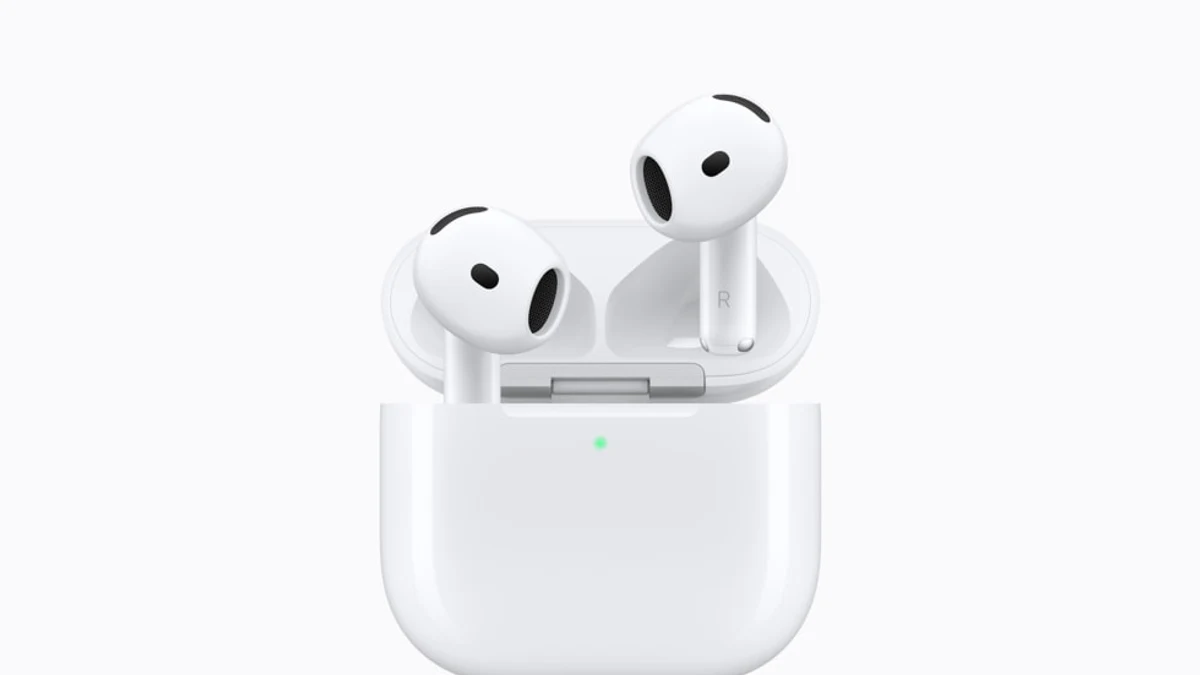
Apple's comparison lists five silicone ear-tip sizes for AirPods Pro 3. The AirPods 5 choices use a different fit design and include case configurations that should be checked individually. Apple's H2 description is a component specification, not evidence that two products sound identical.
| Your priority | What to check |
|---|---|
| Avoid tips in the ear canal | Try the AirPods 5 fit |
| A seal and adjustable tip sizes | Try AirPods Pro 3 with different tips |
| Commuting noise | Evaluate noise control in your usual environment |
| Charging convenience | Compare the exact case included in the purchase |
| Long calls | Test comfort and microphone capture with your own phone |
Fit is a testable preference, not a specification score
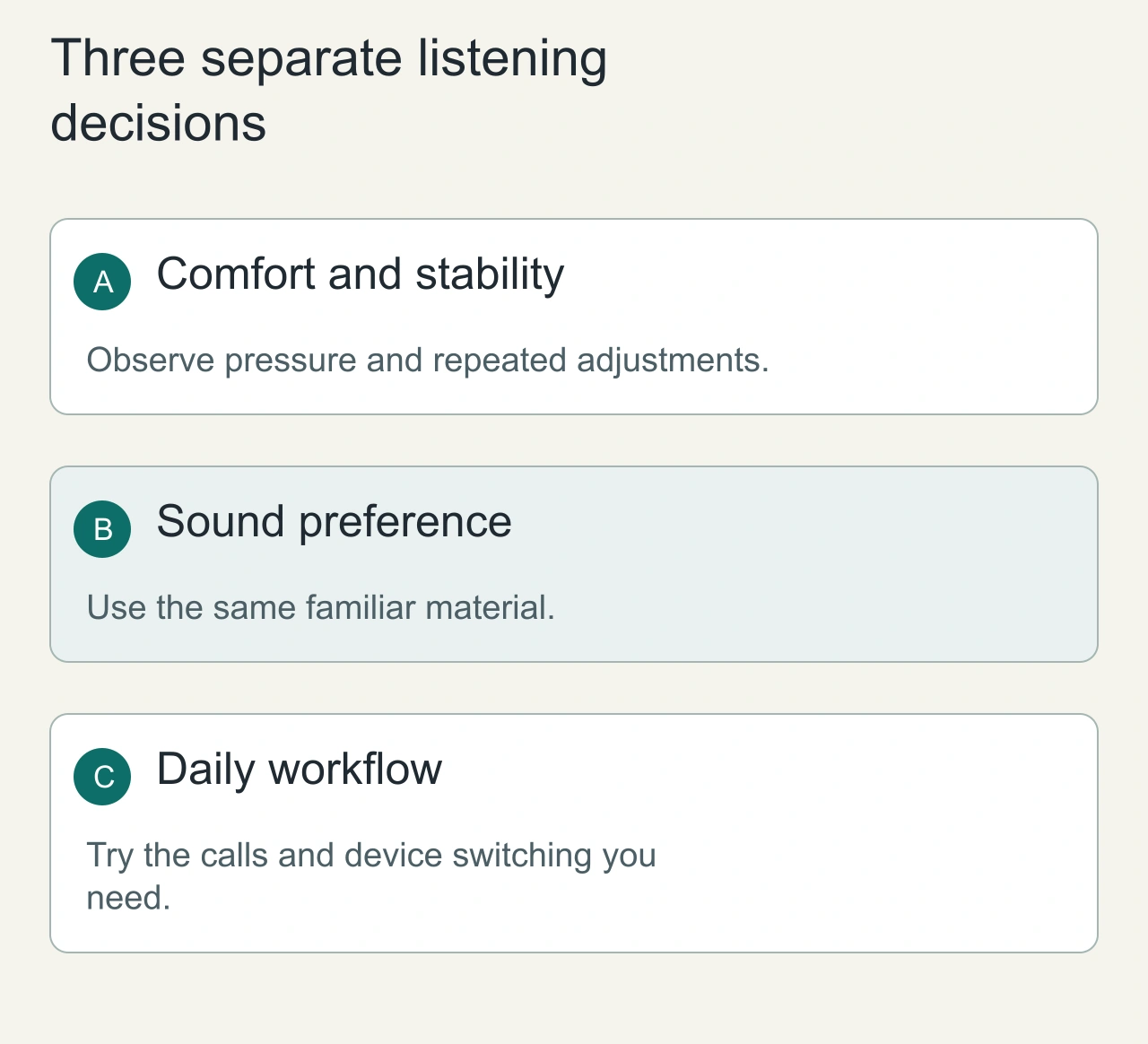
An earbud can offer many features and still be the wrong object for the person wearing it. Start by comparing how each design sits in your ears during a short, ordinary activity. Pay attention to stability, pressure, the ease of inserting it and whether you keep adjusting it. A comfortable first minute is useful evidence, but it does not establish how it will feel during a long working session.
The open-ear versus sealed-fit distinction changes the listening experience before software enters the comparison. The contact and seal can affect the balance you hear and the amount of surrounding sound that reaches you. A design that a colleague likes may not behave the same way for you. Treat their recommendation as a reason to try the product, rather than as a universal fit result.
Use the fit options and checks described for the exact product. Do not force an uncomfortable fit to make a feature comparison work. Keep fit, sound preference and connection reliability as separate notes, because a single overall rating can hide the reason a device succeeds or fails for your routine.
Make a comparison you can repeat without turning up the volume
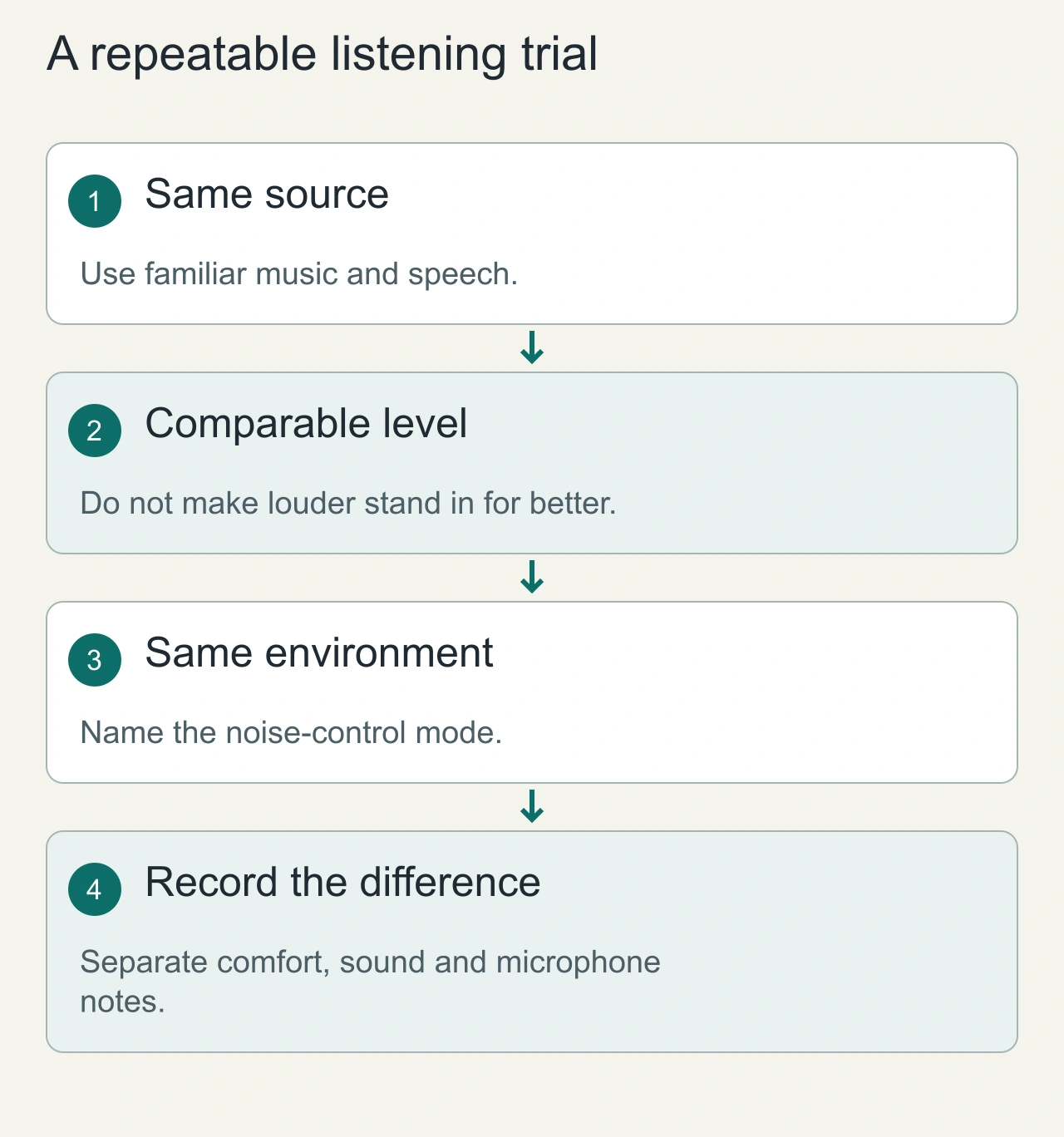
Choose a few familiar pieces of music and a short speech recording. Use the same source device and a comparable listening level, then switch between products without changing several settings at once. Write down what you hear in ordinary language: whether dialogue is clear, whether a bass passage obscures other parts, or whether a background sound makes the comparison harder.
Test the situations that matter to you. A quiet room tells you something different from a commute, an office conversation or a call. If active noise control is important, compare it in the same environment and identify the mode being used. Avoid treating a vendor’s general noise-cancellation description as a prediction for every type of background sound.
For microphone use, record a harmless sample with the same sentence and placement, then listen to it later on the same playback setup. Mark the environment and source device. This is a personal trial, not a laboratory measurement or an AiFolder listening result. It becomes useful when another person can repeat the procedure and understand why a particular defect mattered.
Separate claims from personal results
Apple advertises a noise-cancellation advantage for Pro 3. Treat that as a manufacturer claim under its stated conditions. We have not independently measured attenuation and cannot translate the claim into a guaranteed experience on a train, street or office.
A seal can change low-frequency isolation and perceived sound. Left and right ears may require different tip sizes. Follow Apple's tip guidance instead of assuming the factory-installed pair is correct.
Make a fair trial
Use the same phone, recording, playback level and noise-control mode. Listen for comfort after a normal session, not only during the first minute. For calls, ask another person to assess the actual recording; your experience hearing the caller does not establish microphone quality.
Check how the earbuds behave while walking, talking and wearing your usual glasses. Confirm the return policy before using a trial to make a purchase decision. If trying different tips, record the size and mode so comparisons remain meaningful.
Purchase decision
Choose AirPods 5 when its fit is more comfortable and its exact configuration meets your needs. Choose Pro 3 when adjustable tips and its documented features matter and the fit works. Compare local prices and included accessories at checkout. No model wins for every ear shape, and this source-based guide does not replace a personal fit trial.
Choose from the complete working day
List the transitions you make: phone to laptop, music to call, indoor work to walking, or listening to a long video. Try the controls you will actually touch during those transitions. A mode that looks useful in a menu can become irrelevant if its interaction is awkward in the situation where you need it. A simpler workflow can be worth more than an extra feature.
Check the exact charging case and accessories included with the unit you are considering. Compare the final offer rather than assuming that two similarly named listings contain the same package. Follow the seller’s documented hygiene and return conditions for an in-ear product; these can influence whether a meaningful fit trial is possible.
The decision is therefore conditional. Choose the design that fits comfortably and completes your main listening and calling routine, then verify the feature you care about on the manufacturer’s current specification page. This article does not claim that AiFolder has measured sound isolation, microphone quality or battery endurance for either product.